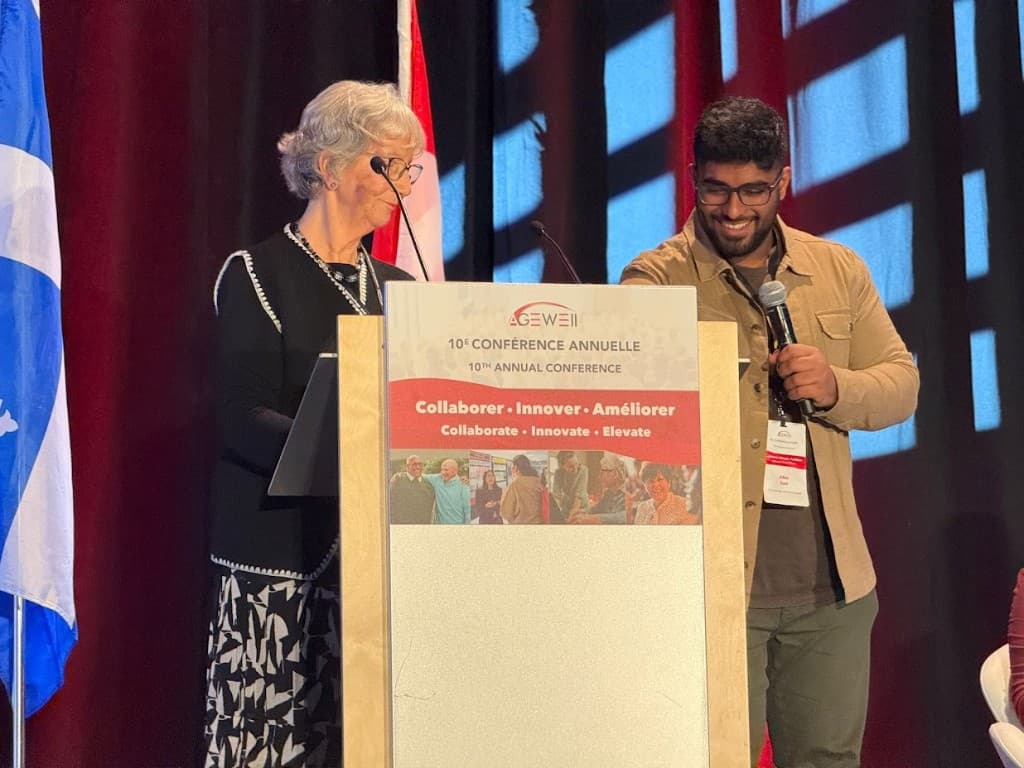
My research interetsts involve co-developing healthcare technologies with patients, caregivers, and communities. I've come to understand that the best technologies are not just technically sound, but also grounded in real human needs and designed with the people who will use them in mind.
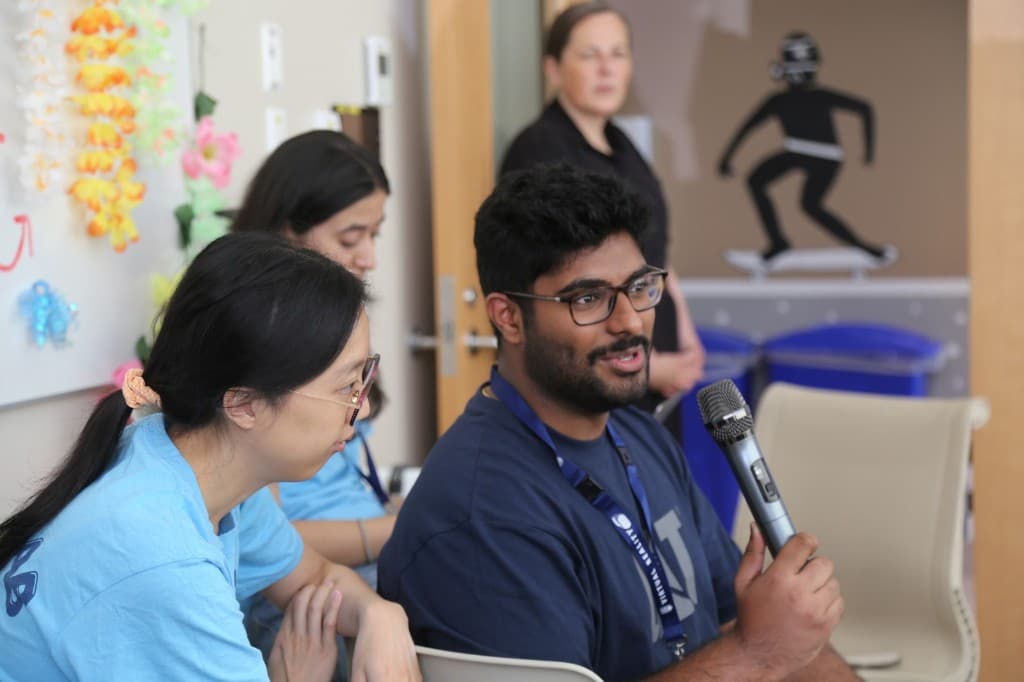
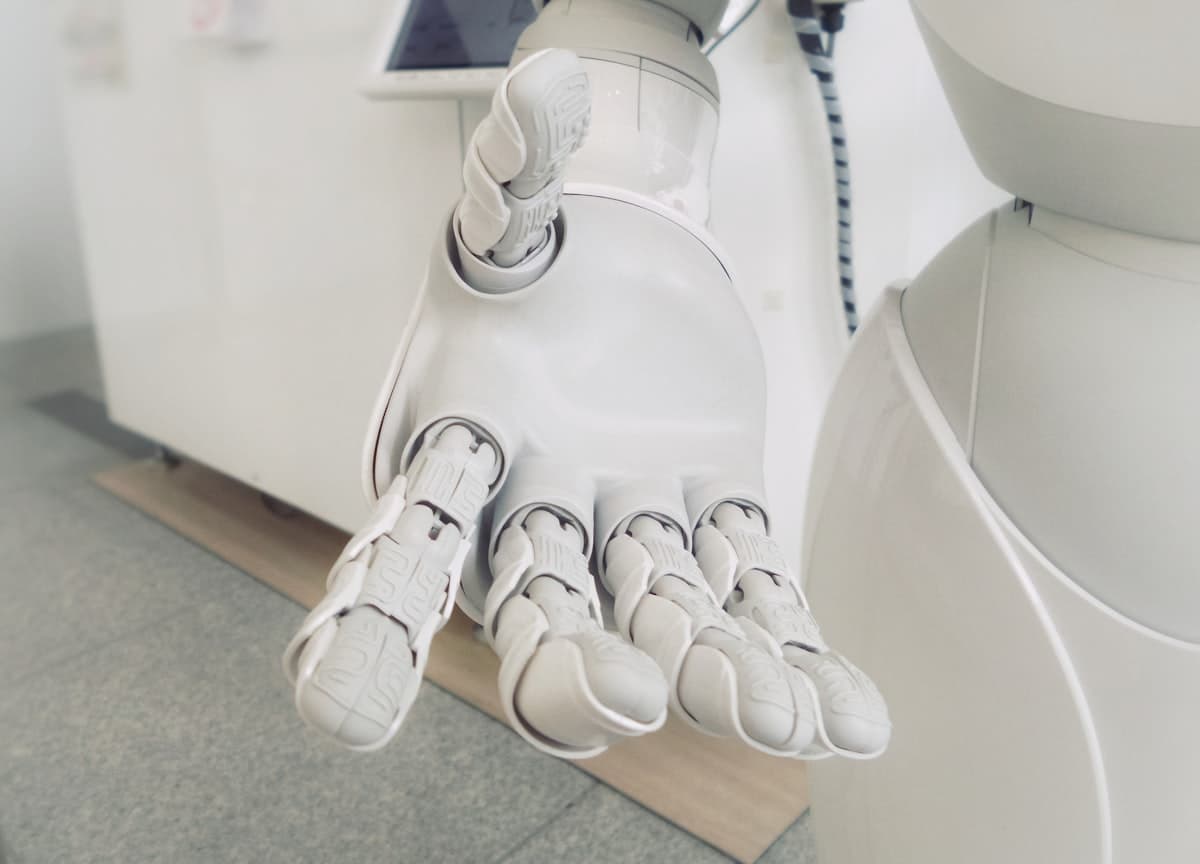
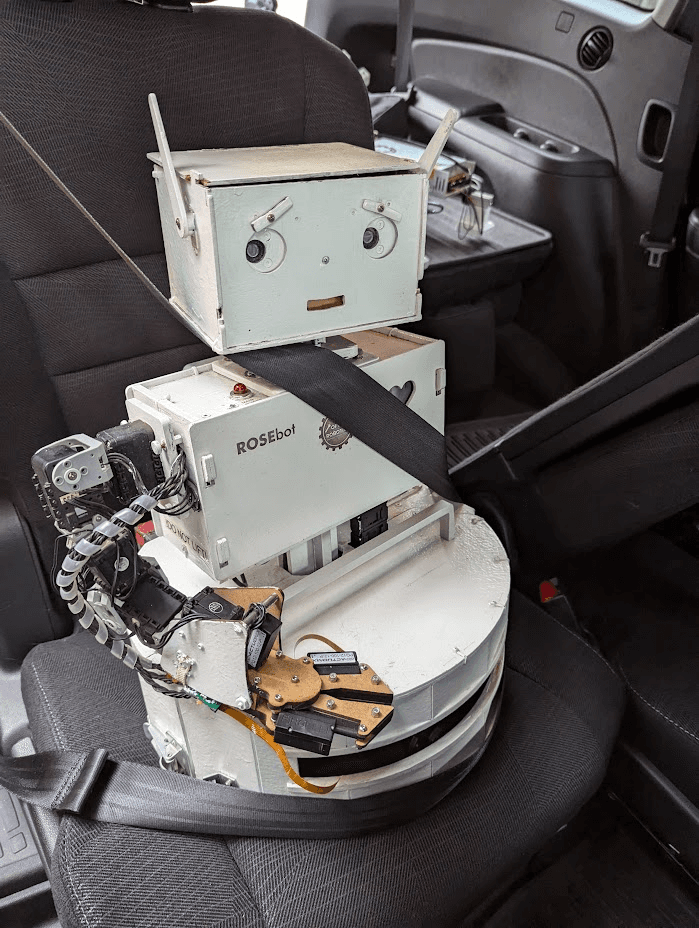
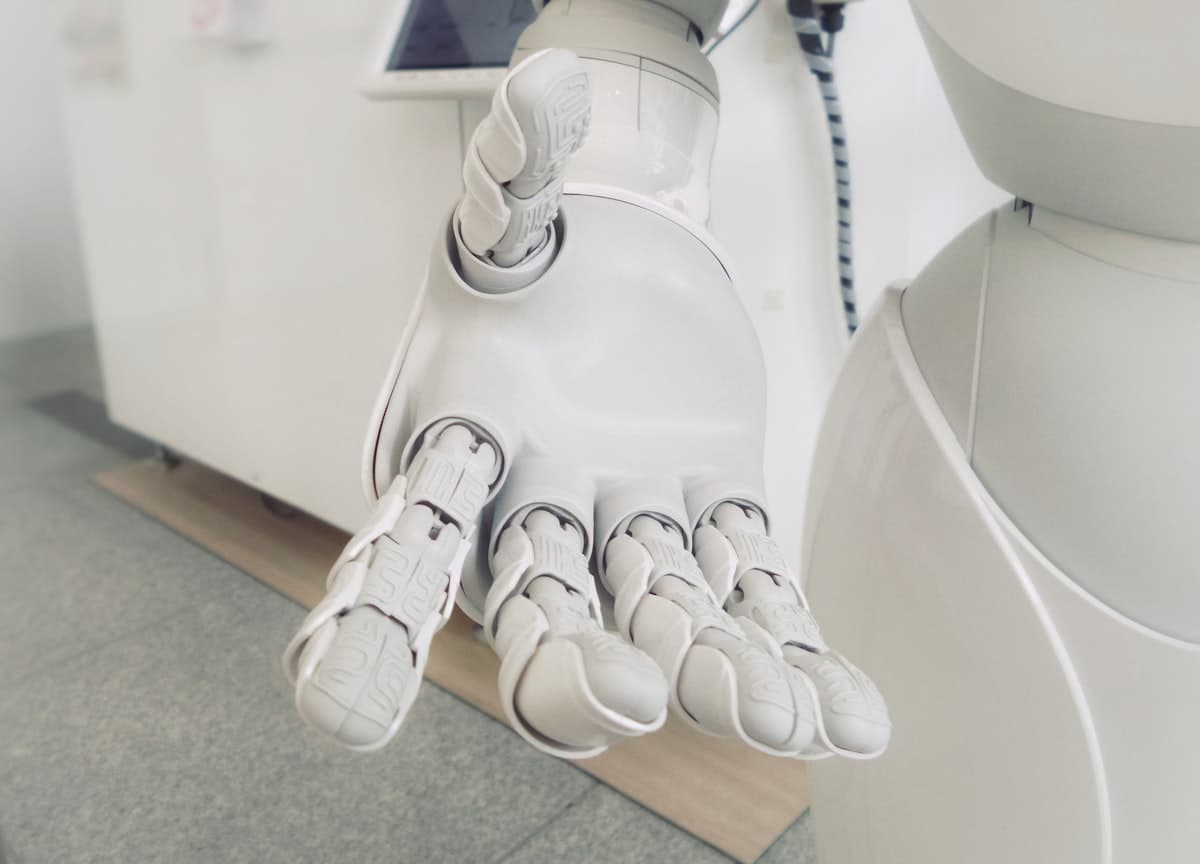
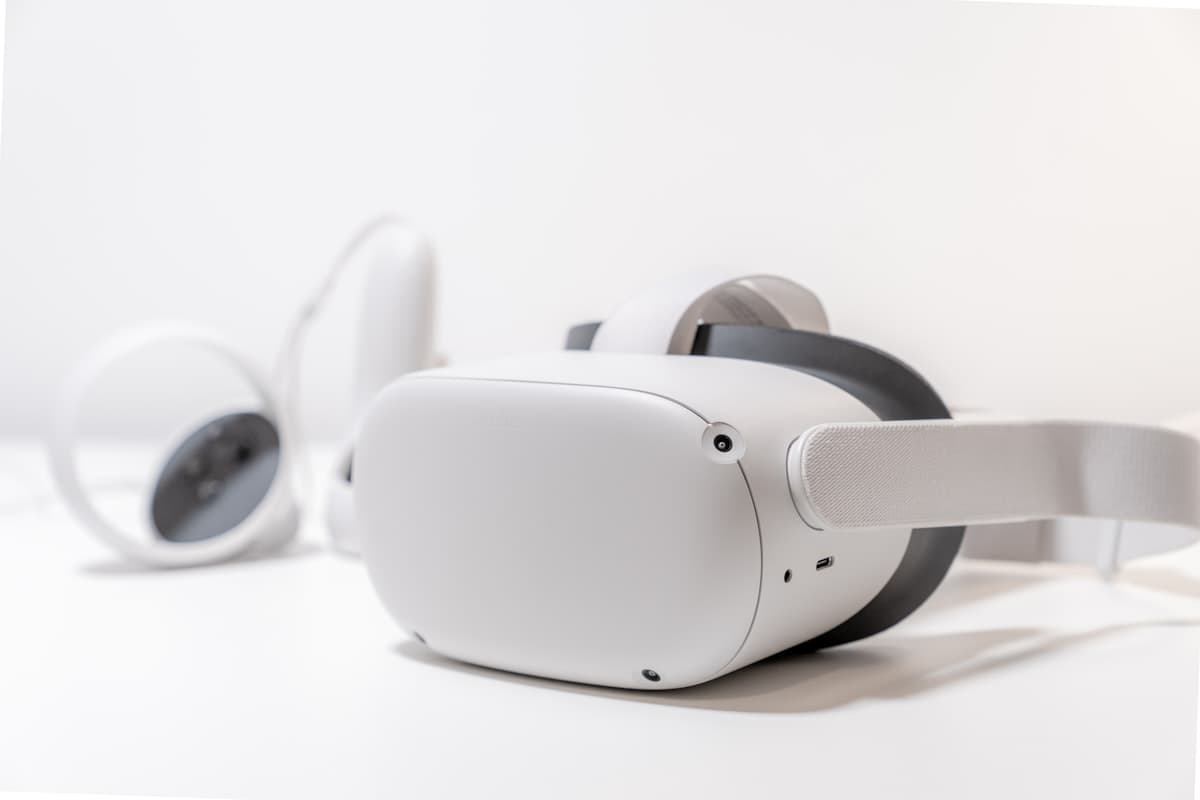
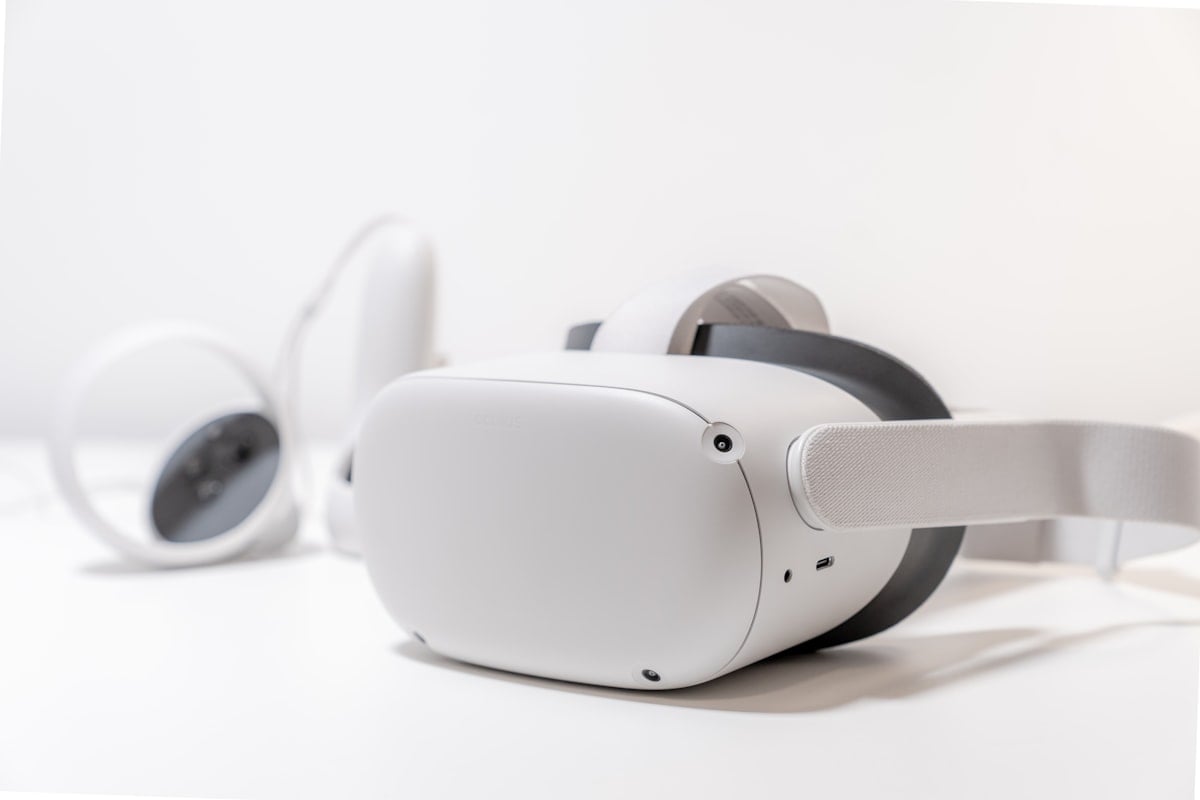
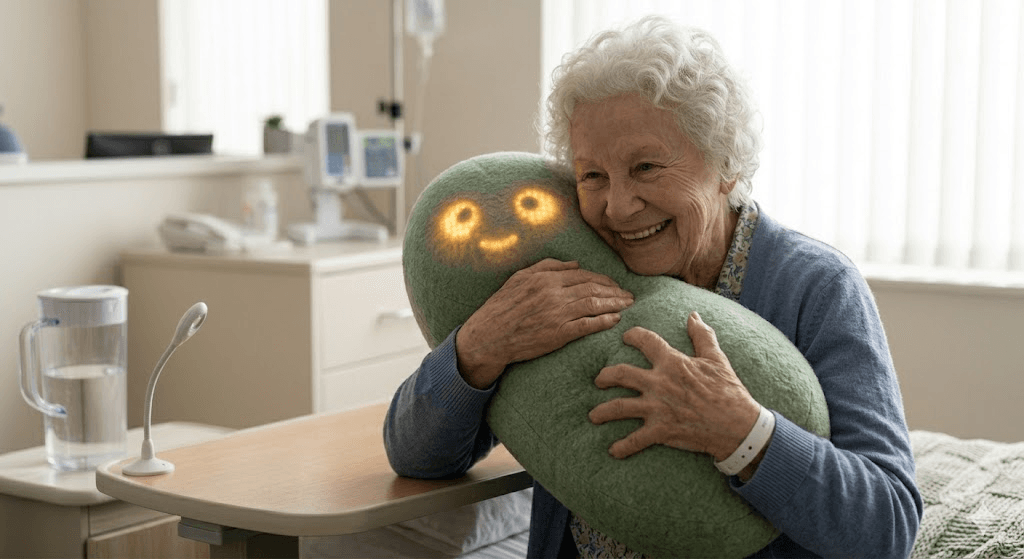
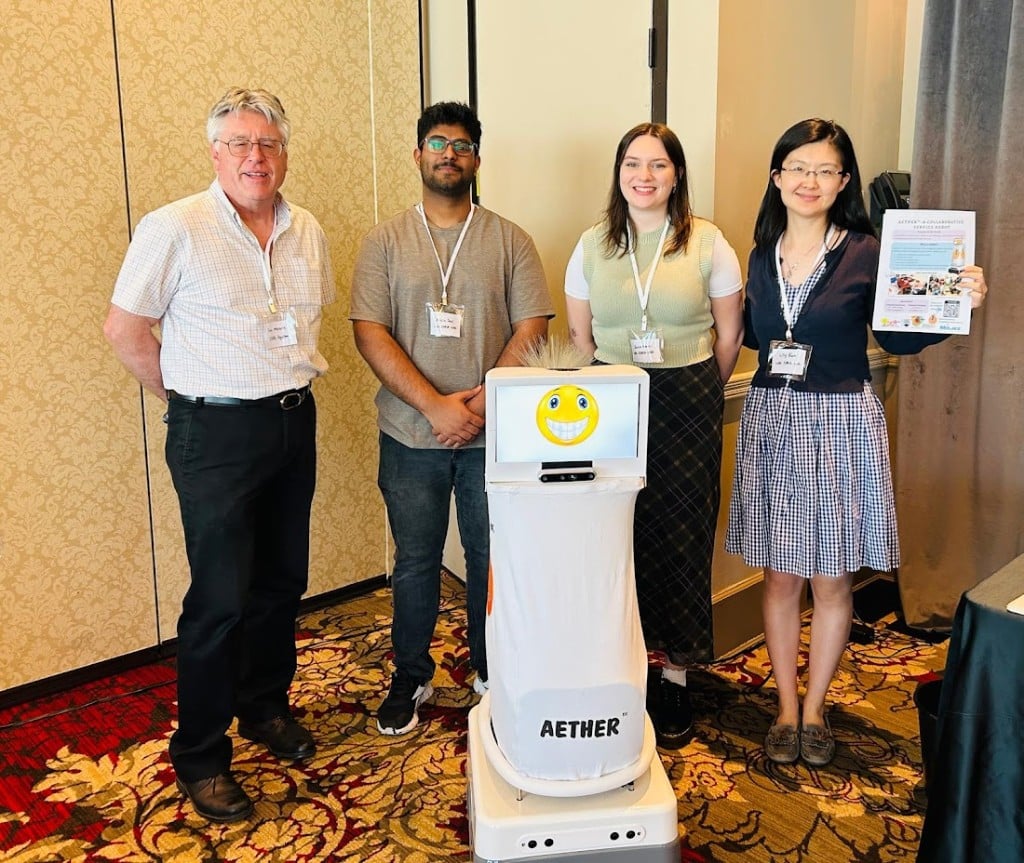
Since joining UBC IDEA Lab in 2022, I've worked with clinicians, older adults, researchers, and community partners to design and evaluate technologies for healthcare settings. This includes includes AI-enabled robotics for long-term care, virtual reality experiences for acute care and long-term care settings, and stakeholder-driven approaches to designing meaningful healthcare technologies.
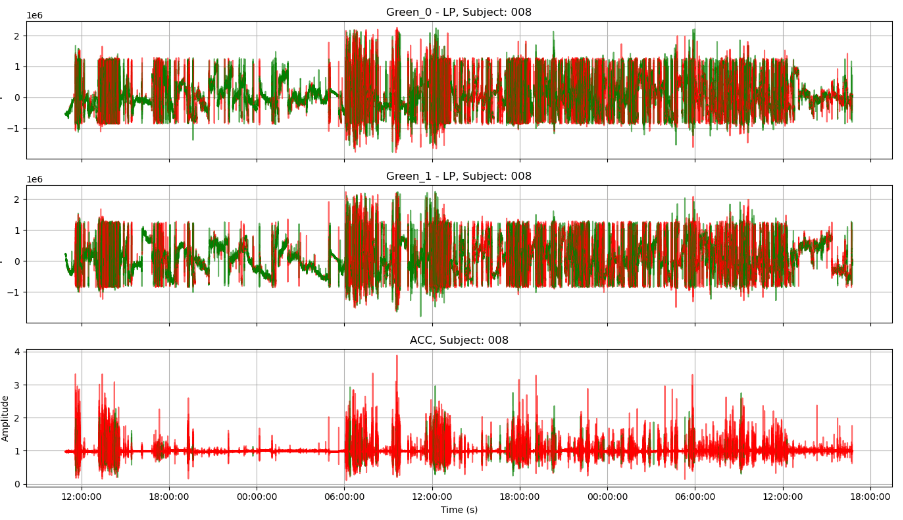
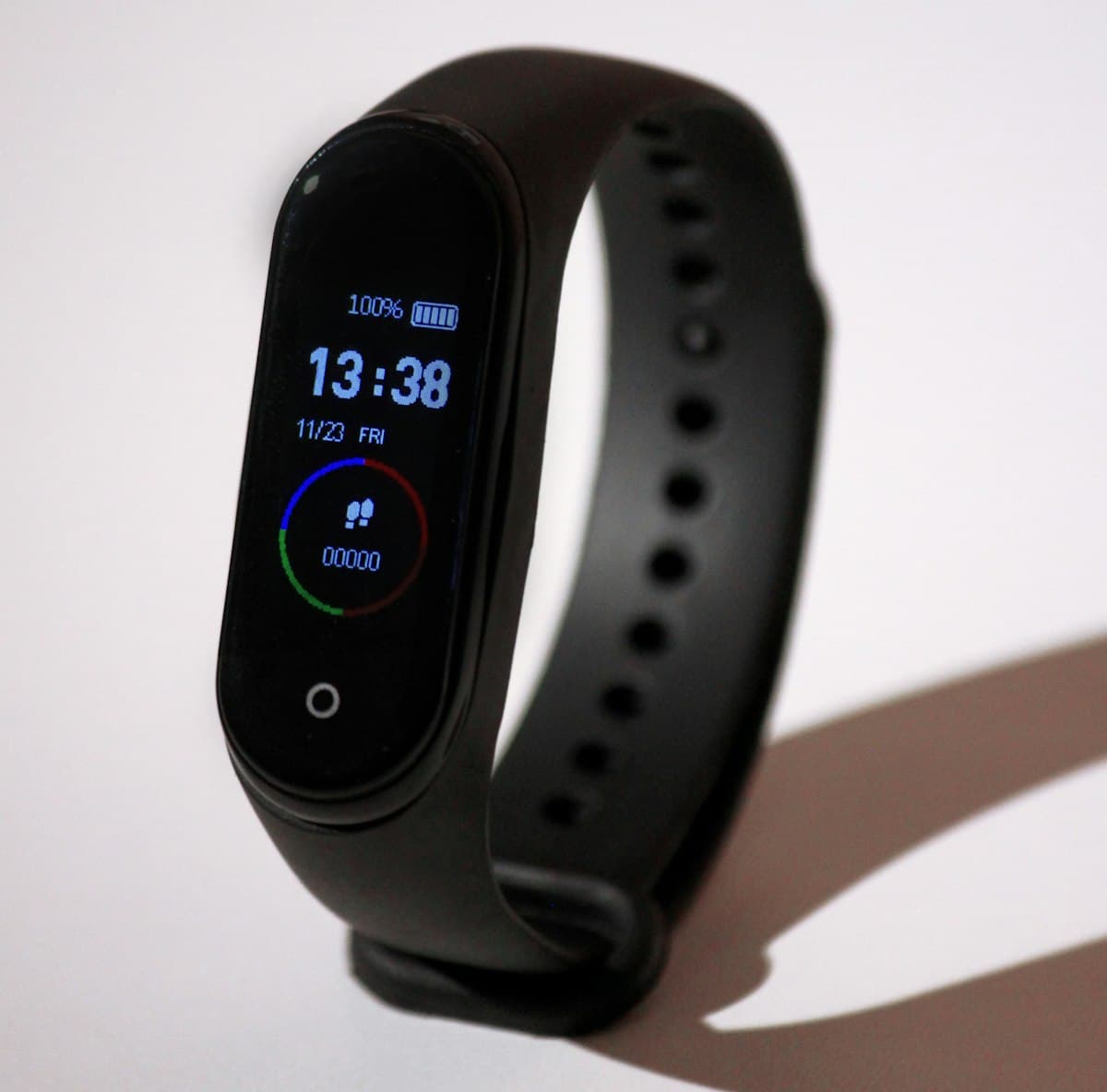
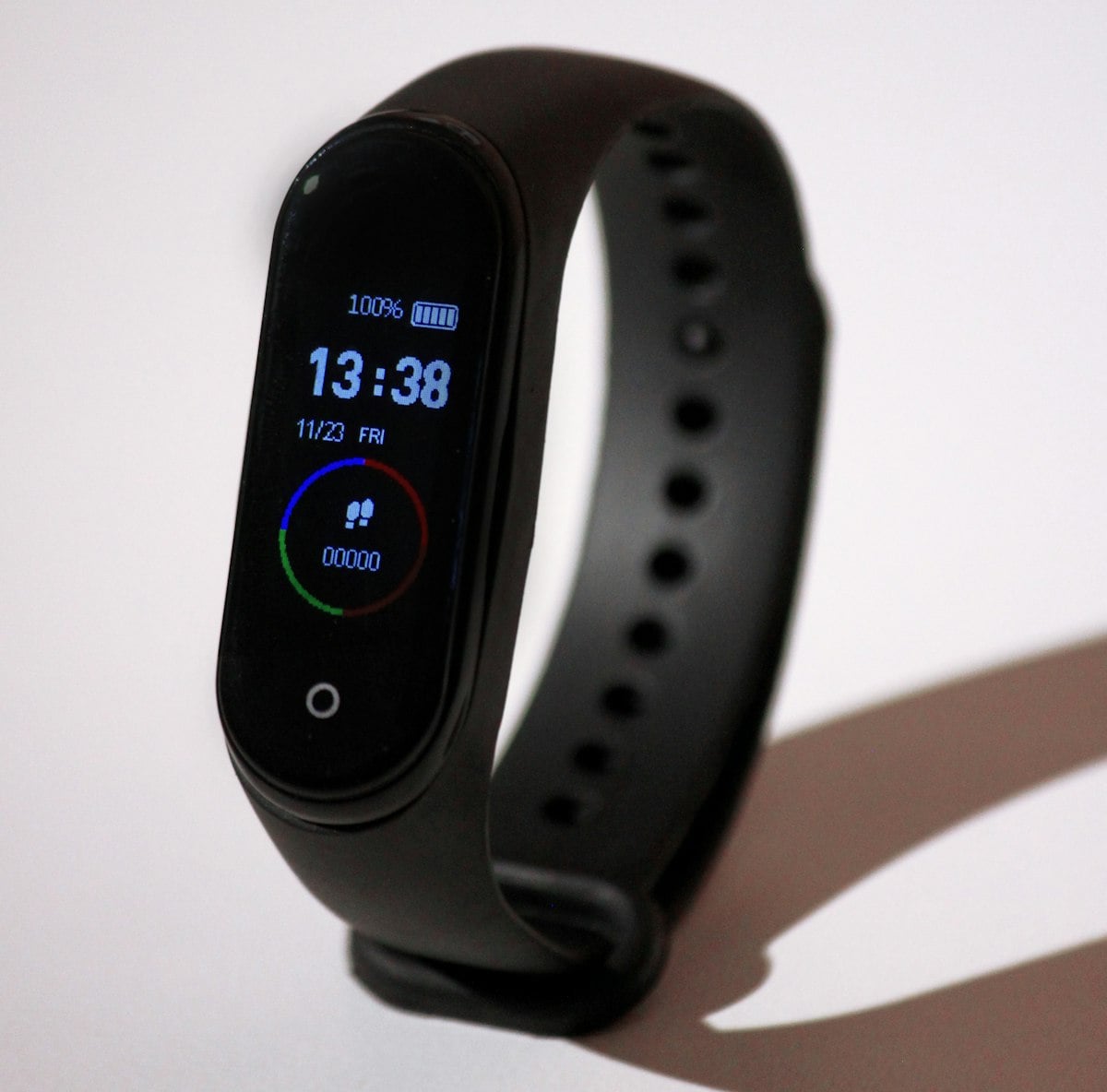
Through biomedical engineering research and directed studies, I've also worked on machine learning methods for wearable PPG data, contributing to the development of improved sudden cardiac arrest detection models. These projects have allowed me to combine technical skills in sensing, signal processing, machine learning, software development, and human-centered design while working closely with the people who will ultimately use these technologies.
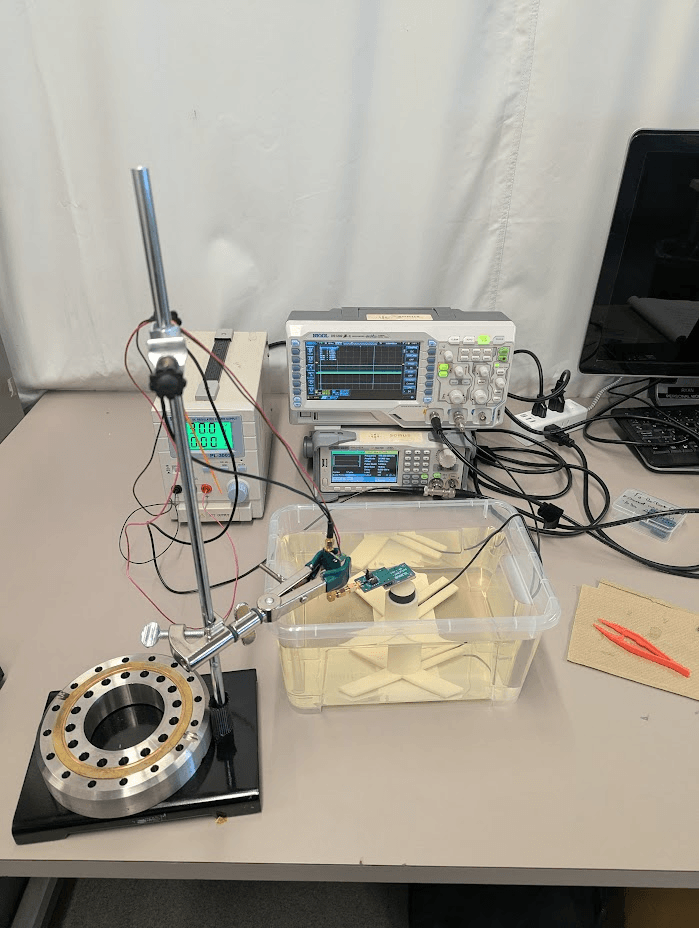
Currently, I am developing novel ultrasound sensing approaches for CPR monitoring using polymer-based capacitive micromachined ultrasonic transducers (polyCMUTs), combining sensor characterization, benchtop testing, signal processing, MATLAB, and Python-based computational methods.
While the technologies themselves vary, they are all connected by a common goal: understanding how intelligent sensing, artificial intelligence, and human-centered design can be used to improve health, support healthy aging, and create healthcare technologies that make a meaningful difference in people's lives.
I develop healthcare technologies through engineering, research, and collaboration.